
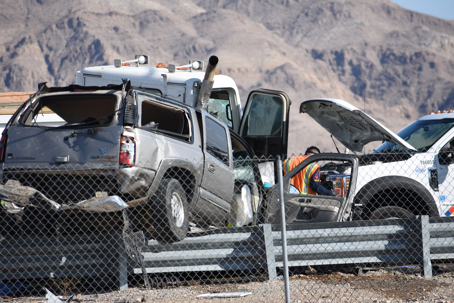
Multi-vehicle highway collisions are among the most complex and devastating cases in personal injury and wrongful death litigation. These crashes often involve chain reactions, multiple impacts, catastrophic injuries, and extensive investigations into how the wreck unfolded. Determining legal responsibility in these cases can be difficult because liability may extend across several drivers, companies, government entities, or other responsible parties.
Courts across the United States evaluate a wide range of evidence when determining fault in fatal multi-vehicle highway collisions. These investigations frequently require accident reconstruction experts, electronic vehicle data analysis, witness testimony, and detailed examination of roadway conditions and driver conduct.
Multi-Vehicle Wrecks Often Involve Multiple Contributing Factors
Unlike simple two-car collisions, fatal multi-vehicle highway wrecks typically develop from a series of events rather than a single impact.
Courts commonly examine factors such as:
- Speeding
- Distracted driving
- Fatigued driving
- Impaired driving
- Sudden lane changes
- Weather conditions
- Commercial trucking violations
- Mechanical failures
- Road hazards
- Reduced visibility
In chain-reaction crashes, a single negligent action can trigger a sequence of collisions involving numerous vehicles within seconds.
Courts often rely on accident reconstruction analysis to determine how the crash began and which parties contributed to the fatal outcome.
Commercial Trucking Companies May Face Liability
Many multi-vehicle highway fatalities involve large commercial trucks. In these cases, liability may extend beyond the truck driver alone.
Courts may evaluate whether the trucking company contributed to the crash through:
- Negligent hiring
- Inadequate driver training
- Hours-of-service violations
- Poor vehicle maintenance
- Unsafe scheduling practices
- Cargo loading violations
- Failure to monitor driver safety records
Federal trucking regulations are frequently central issues in litigation arising from catastrophic highway collisions.
Electronic logging devices, maintenance records, dispatch communications, and onboard data systems often provide important evidence in determining fault.
Courts Analyze Driver Conduct Carefully
In fatal highway wreck litigation, courts closely examine the actions of every driver involved before and during the collision sequence.
Evidence may include:
- Cell phone records
- Dash camera footage
- Black box vehicle data
- Toxicology reports
- Eyewitness testimony
- Traffic camera recordings
- Skid mark analysis
- GPS data
Courts may determine that several drivers contributed to the collision through separate acts of negligence, whether simultaneous or sequential.
For example, one driver may have triggered the initial collision while another failed to maintain a safe following distance, worsening the outcome.
Comparative Fault Principles Often Apply
Most states apply comparative fault rules when allocating liability among multiple parties. Courts may assign percentages of responsibility based on each party’s contribution to the wreck.
In some cases, liability may be divided among:
- Passenger vehicle drivers
- Commercial trucking companies
- Vehicle manufacturers
- Government entities responsible for roadway maintenance
- Contractors involved in highway construction
- Cargo loading companies
The allocation of fault can significantly affect financial recovery in wrongful death litigation.
Roadway Design and Maintenance Issues May Be Examined
Certain highway wrecks involve allegations that roadway conditions contributed to the collision or increased its severity.
Courts may evaluate whether dangerous conditions existed, including:
- Inadequate signage
- Poor roadway lighting
- Unsafe construction zones
- Defective guardrails
- Improper lane design
- Standing water or drainage failures
- Missing barriers
- Hazardous pavement conditions
When roadway defects are alleged, government agencies or contractors may become involved in the litigation.
These claims can involve unique procedural rules and shortened filing deadlines depending on the jurisdiction.
Vehicle Defects Can Also Contribute to Fatal Collisions
In some multi-vehicle wrecks, investigators discover that mechanical failures or defective vehicle components contributed to the crash.
Potential issues may include:
- Brake failures
- Tire defects
- Steering system malfunctions
- Defective airbags
- Fuel system failures
- Electronic control problems
Courts evaluating product liability claims often rely on engineering experts and forensic analysis to determine whether a defect played a role in the fatal collision.
Wrongful Death Damages Are Carefully Evaluated
After determining liability, courts assess damages suffered by surviving family members and the decedent’s estate.
Wrongful death damages may include:
- Funeral and burial expenses
- Medical costs before death
- Loss of financial support
- Loss of companionship
- Emotional suffering
- Loss of future earnings
The scope of recoverable damages varies by state, but courts generally consider the long-term financial and emotional impact of the loss on surviving family members.
Multi-Vehicle Fatal Wrecks Often Require Extensive Investigation
Because these collisions often involve overlapping liability issues and substantial evidence, investigations can become highly technical and time-sensitive.
Evidence preservation is often critical in cases involving:
- Commercial vehicles
- Electronic driving data
- Surveillance recordings
- Vehicle inspections
- Roadway evidence
- Corporate records
Courts may consider whether important evidence was preserved, altered, or destroyed during the course of the investigation.
Contact National Trial Law
Fatal highway collisions involving multiple vehicles often raise difficult legal questions and require extensive investigation into every contributing factor. National Trial Law is a nationwide law firm with over 50 years of experience representing families in catastrophic injury and wrongful death litigation arising from serious highway wrecks across the United States.
To learn more about your legal options, contact National Trial Law today at (833) 913-1885.