
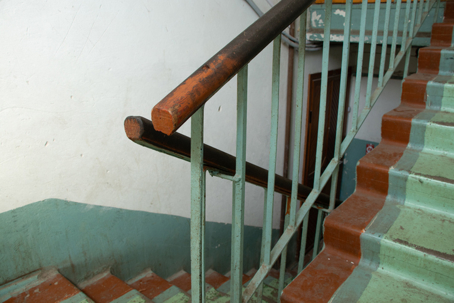
Unsafe property conditions can lead to devastating injuries in stores, apartment complexes, parking lots, hotels, office buildings, entertainment venues, and countless other locations. Across the United States, courts handling premises liability claims examine whether a property owner or occupier failed to maintain reasonably safe conditions and whether that failure caused harm.
Premises liability law covers a wide range of incidents, including slip-and-fall accidents, inadequate security, structural failures, falling objects, fires, negligent maintenance, and dangerous property conditions. Although the legal standards can vary by state, courts nationwide generally focus on whether a dangerous condition existed and whether the responsible party failed to address it appropriately.
Property Owners Have Legal Duties to Maintain Safe Conditions
Courts evaluating unsafe premises claims typically examine whether a property owner, business operator, landlord, or other responsible party exercised reasonable care under the circumstances.
This duty often includes:
- Inspecting the property for hazards
- Repairing dangerous conditions
- Providing adequate warnings
- Maintaining safe walkways and common areas
- Addressing foreseeable safety risks
The level of responsibility may depend on the type of property and the relationship between the injured person and the property owner. Commercial properties that invite the public onto the premises generally face broader obligations to identify and correct hazards.
Courts often analyze whether the dangerous condition was foreseeable and whether the responsible party had sufficient time to discover and fix the issue.
Courts Frequently Examine Notice of the Dangerous Condition
One of the most significant issues in premises liability litigation is notice. Courts commonly ask whether the property owner knew, or reasonably should have known, about the hazardous condition before the injury occurred.
Actual notice may exist when a property owner directly knew about the hazard. Constructive notice may arise when the condition existed long enough that a reasonable inspection would have uncovered it.
For example, courts may evaluate:
- How long a spill remained on the floor
- Whether maintenance inspections were performed
- Prior complaints or incident reports
- Surveillance footage
- Cleaning and repair records
- Employee observations
If evidence shows a property owner ignored a known danger or failed to conduct reasonable inspections, that information may support liability.
Unsafe Premises Claims Extend Beyond Slip and Fall Cases
Although slip and fall accidents are common premises liability claims, courts handle many other injury scenarios involving unsafe property conditions.
These may include:
- Inadequate security incidents
- Elevator or escalator failures
- Collapsing structures
- Swimming pool accidents
- Poor lighting in parking areas
- Falling merchandise
- Stairway defects
- Fire safety violations
- Exposure to dangerous substances
Courts evaluate the unique facts of each case to determine whether the property condition posed an unreasonable risk of harm.
In negligent security cases, for instance, courts may analyze whether criminal activity was foreseeable and whether reasonable security measures were lacking.
Comparative Fault Can Influence Case Outcomes
Many states apply comparative negligence principles in premises liability litigation. Courts may examine whether multiple parties contributed to the incident and assign fault percentages accordingly.
Defense arguments sometimes focus on issues such as:
- Visibility of the hazard
- Weather conditions
- Footwear or distractions
- Whether warning signs were present
- Whether the injured person entered a restricted area
Courts review the totality of the circumstances when determining liability and damages.
Serious Injuries Often Require Extensive Evidence
Unsafe premises incidents can lead to catastrophic injuries requiring long-term medical care and rehabilitation. Courts evaluating damages frequently rely on medical evidence and expert testimony to understand the full impact of the injury.
Evidence may include:
- Medical records
- Surgical reports
- Imaging studies
- Expert medical opinions
- Vocational evaluations
- Economic loss assessments
In severe injury cases, courts may consider future medical expenses, diminished earning capacity, permanent disability, and long-term pain and suffering.
Businesses and Property Owners Often Face Heightened Scrutiny
Commercial property owners are frequently expected to maintain formal inspection and maintenance procedures to protect customers and visitors.
Courts may review:
- Safety protocols
- Employee training
- Inspection schedules
- Incident reporting systems
- Repair histories
- Compliance with building or safety codes
When businesses fail to follow established safety procedures, those failures may become central issues in litigation.
Unsafe Premises Litigation Can Involve Multiple Responsible Parties
Premises liability cases often involve more than one potentially responsible entity. Depending on the facts, liability may extend to:
- Property owners
- Property management companies
- Maintenance contractors
- Security companies
- Tenants
- Construction companies
Courts may evaluate contractual responsibilities and operational control over the property when determining who may be legally responsible for unsafe conditions.
Contact National Trial Law
Unsafe premises injuries can leave individuals and families facing overwhelming physical, emotional, and financial consequences. National Trial Law is a nationwide law firm with over 50 years of experience handling catastrophic injury and wrongful death litigation involving unsafe property conditions and serious negligence claims.
To discuss your legal options, contact National Trial Law today at (833) 913-1885.